You are thinking about studying art or craft and have some questions?
Where can I study woodcarving in London?
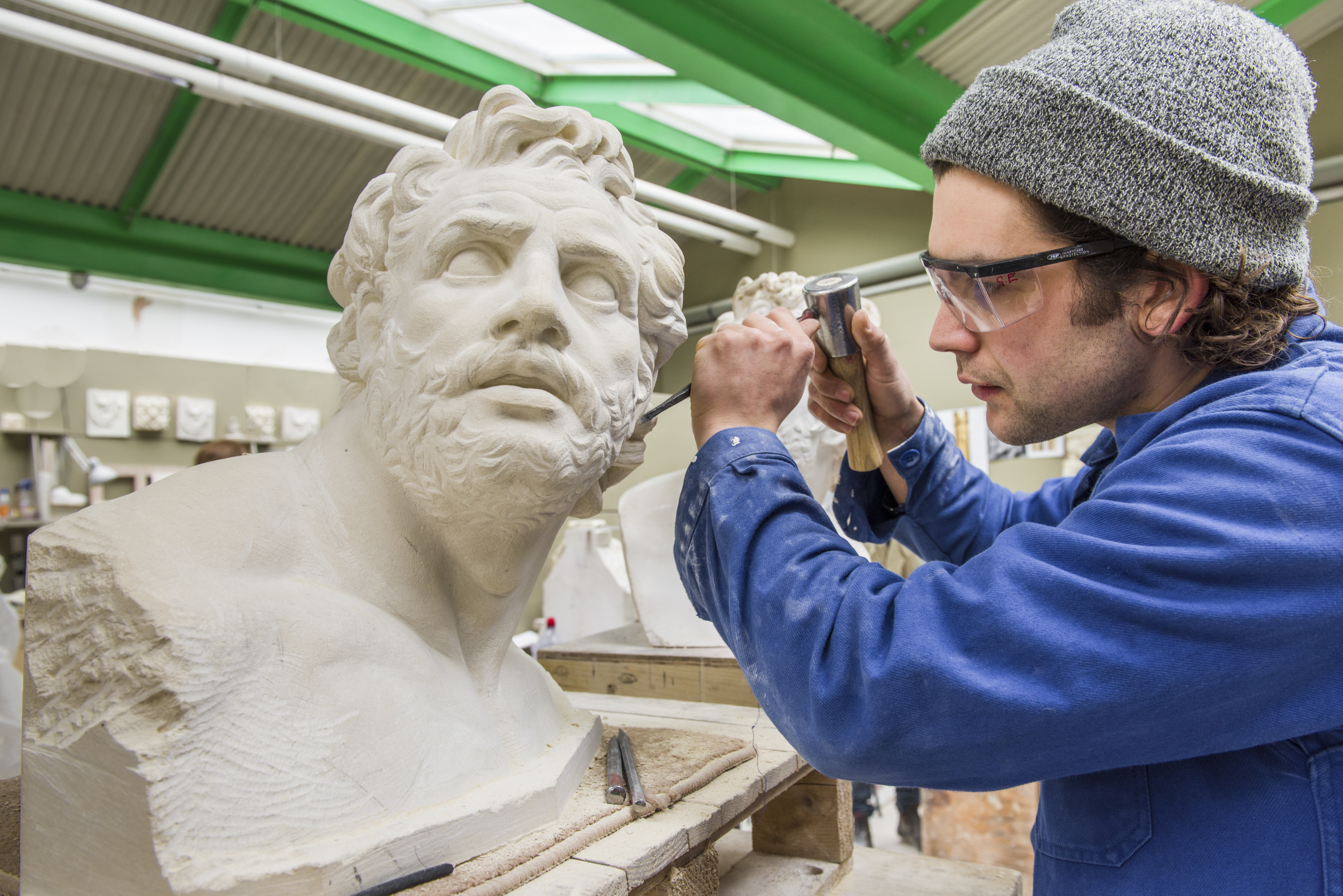
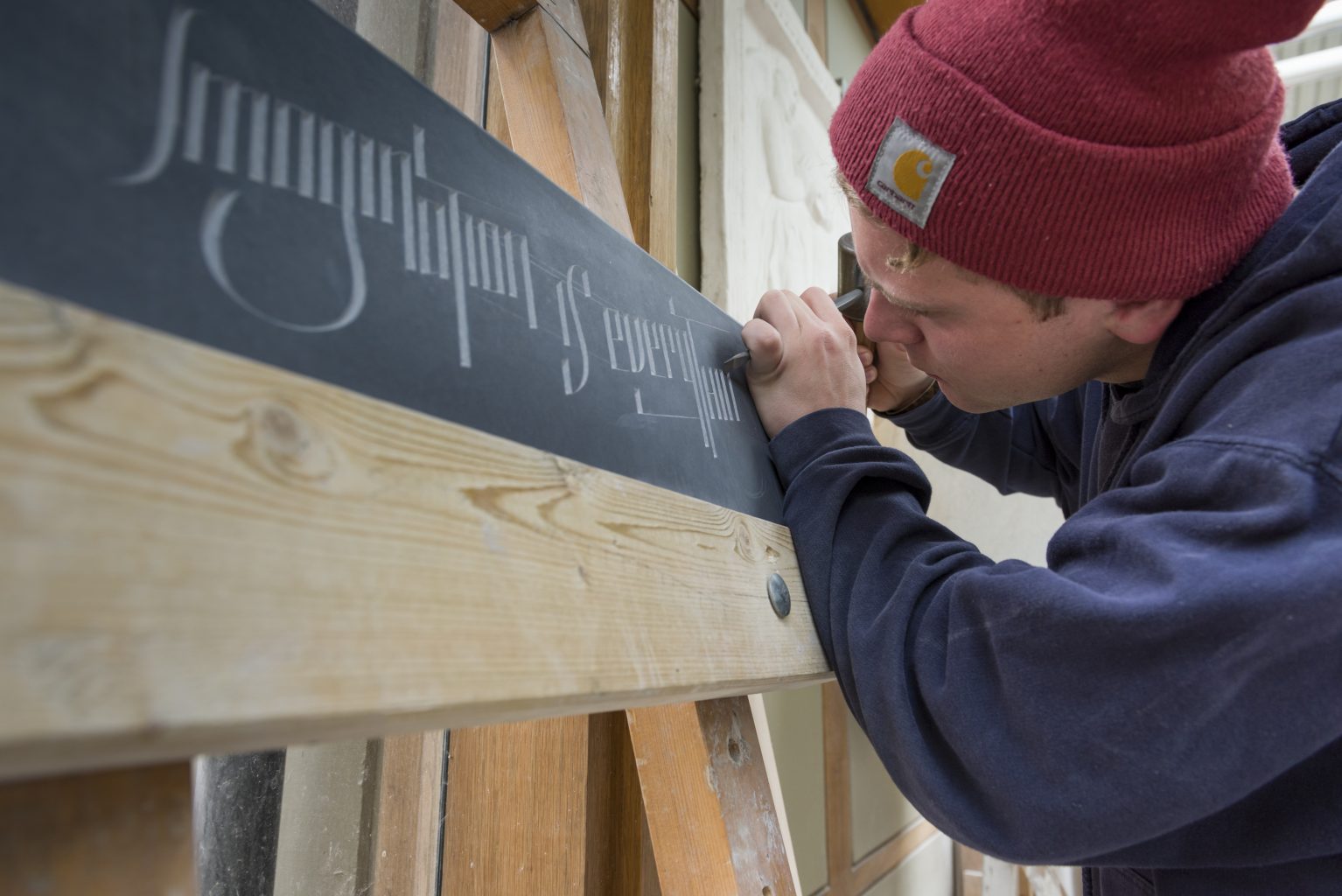
Where can I study stone carving in London?
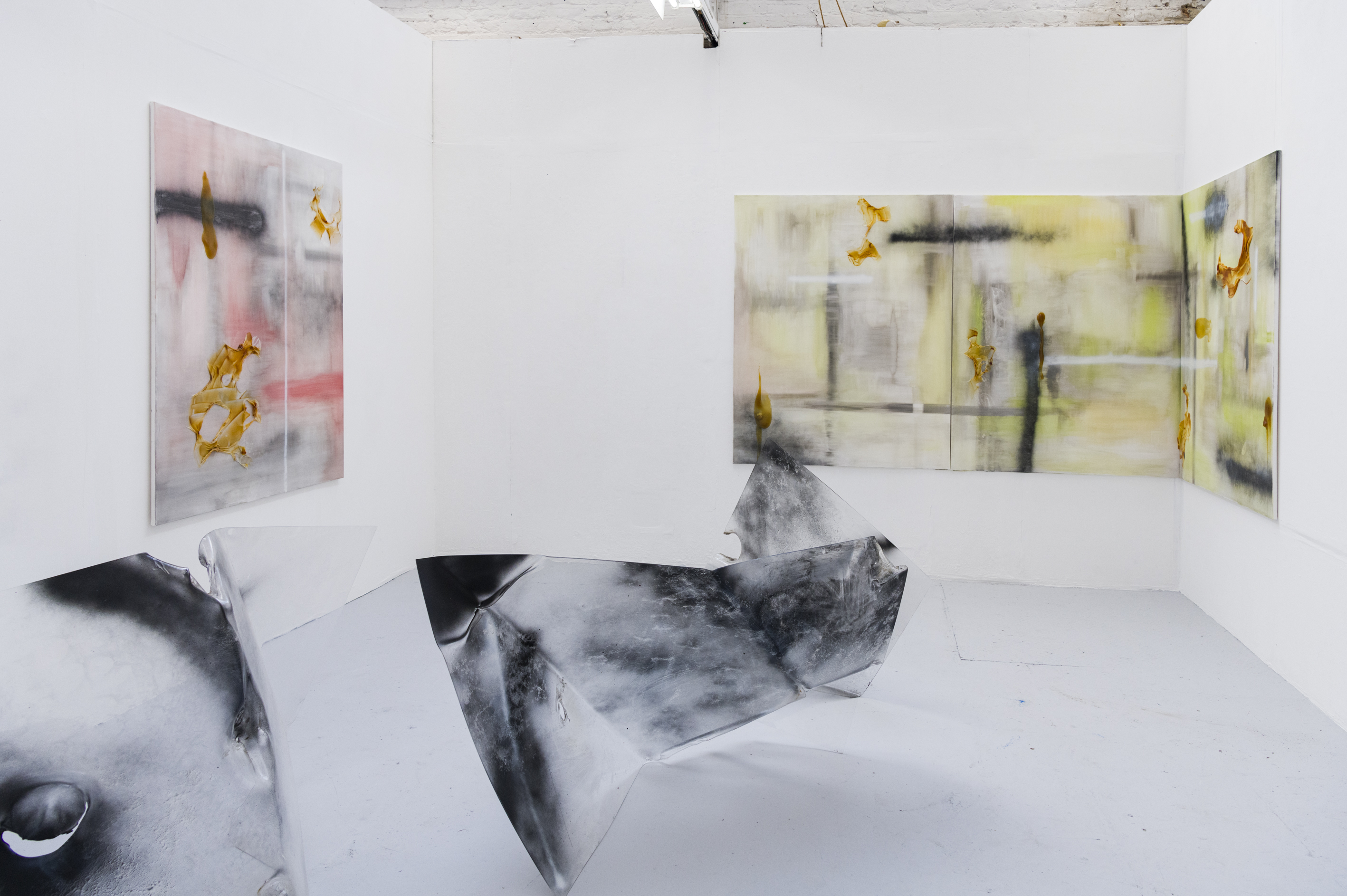
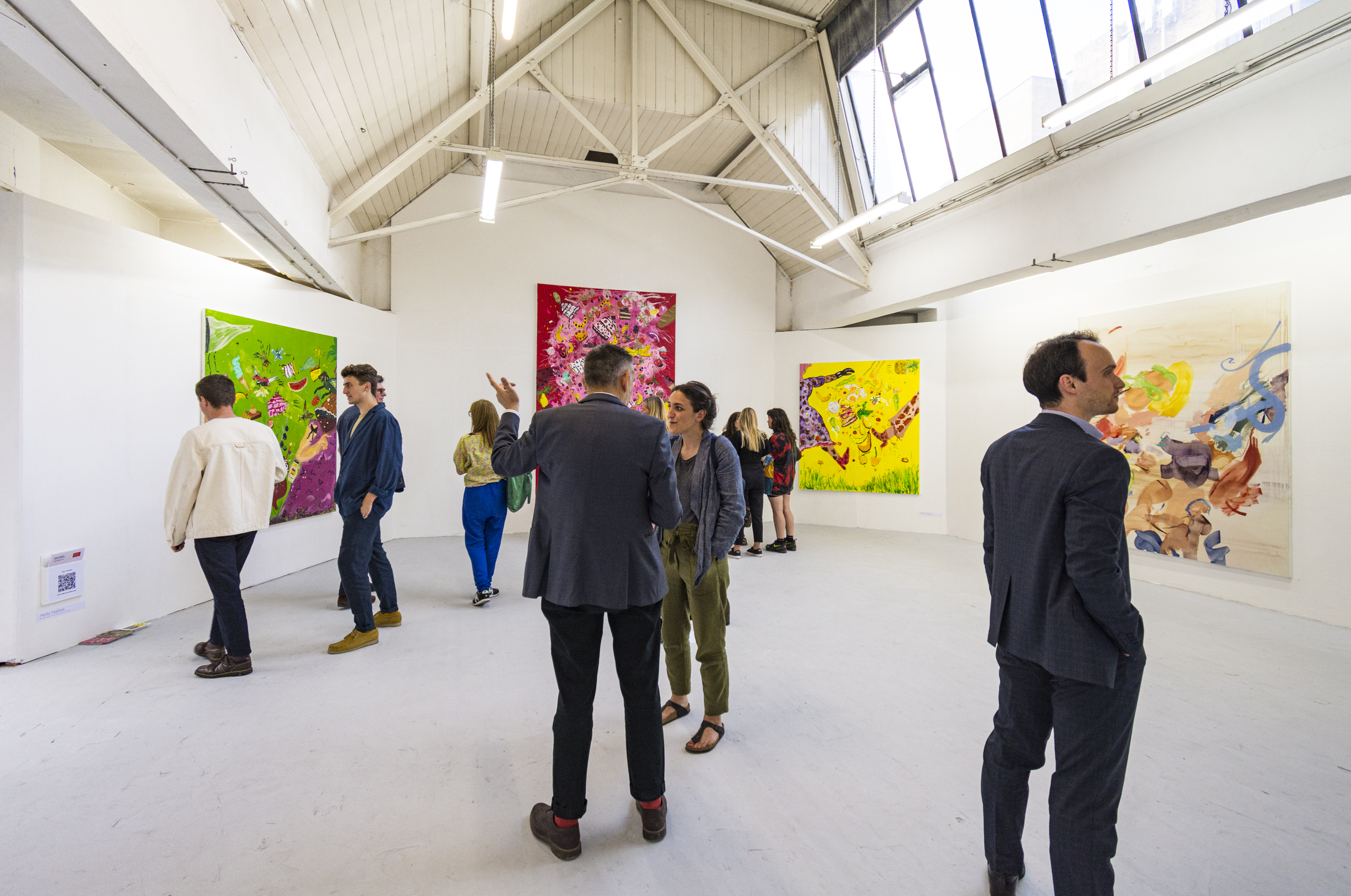
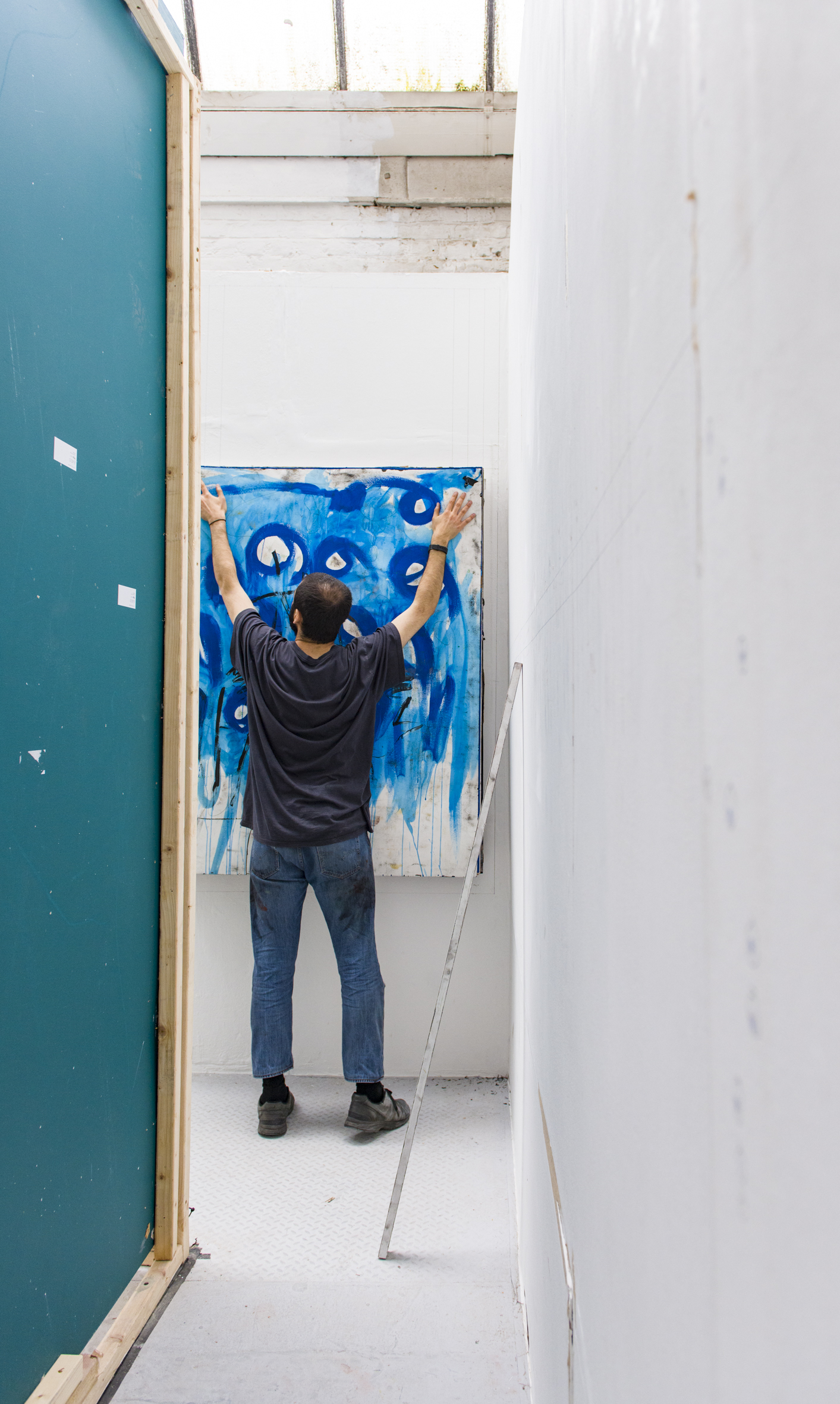
Where can I study Art in London?
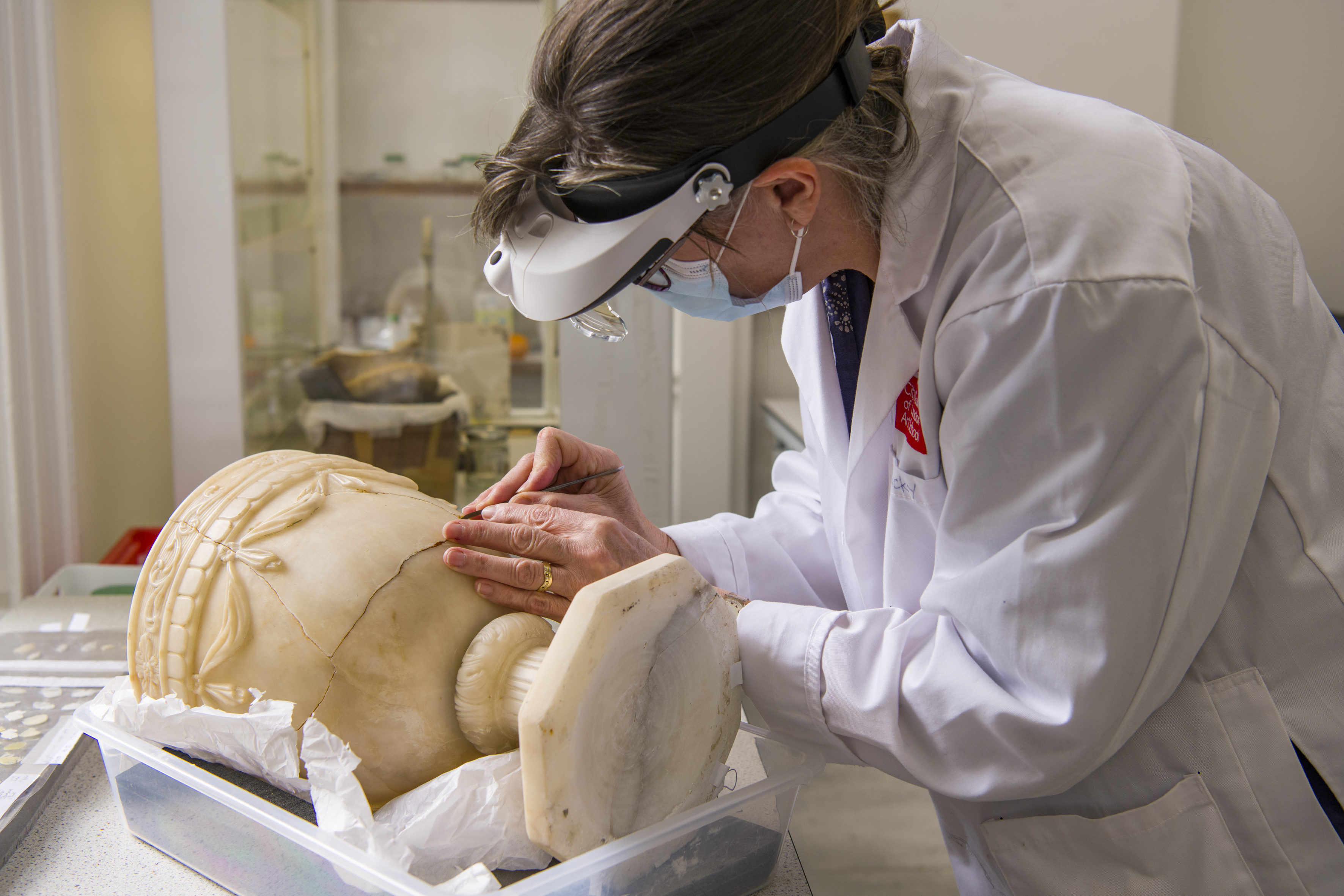
Where can I study Conservation in London?
Where can I study Book and Paper Conservation in London?
Where can I study the Conservation of works of Art on Paper?
Where can I study Art Histories in London?
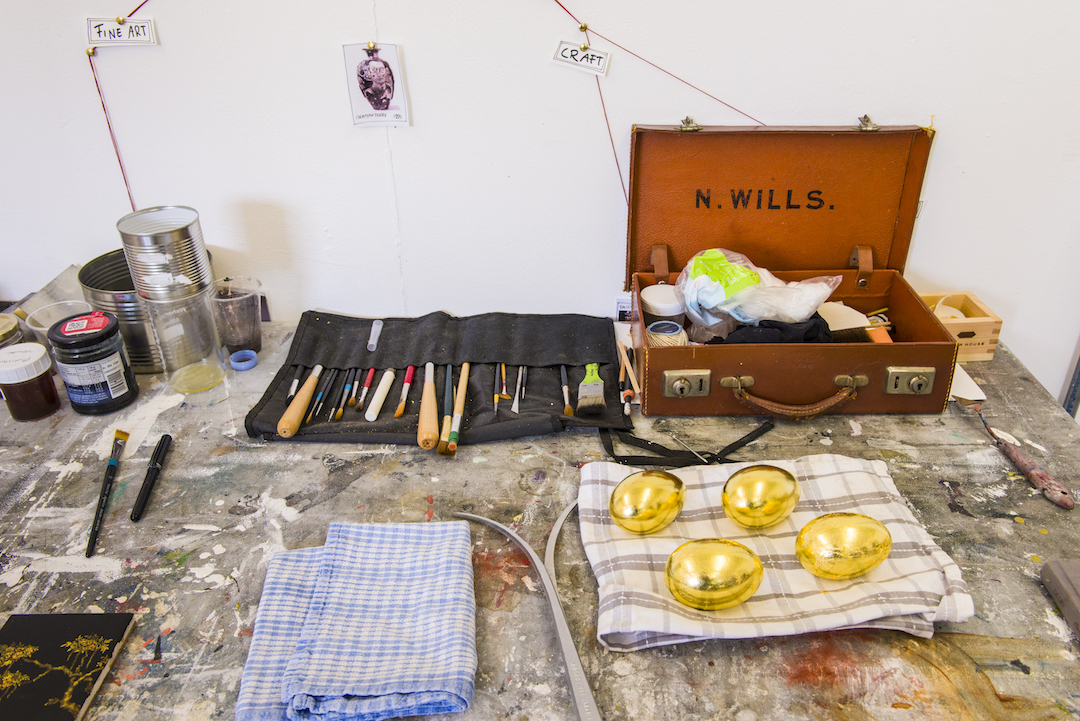
Where can I study gilding in London?
What craft BA courses are in London?
Where is the best place to study contemporary art?
Where is the best place to study carving?
Where is the best place to study conservation?
Where is the best Foundation course in London?
Where can I get a bursary to study art?
How can I fund my degree course in art?
How can I fund my MA Fine Art course?
How can I fund my carving course?
How can I fund my degree course in conservation?
Can I afford to study art in London?
Are there are discounts on course fees?
Is it necessary to do a Foundation in Art and Design if you want to study art?
How much does it cost to study art?
Will I get a job if I study art?
What jobs can I do after studying art ?
Are there jobs in carving?
Where do conservators work?
What will I learn if I study art?
Is Fine Art the same as conceptual art?
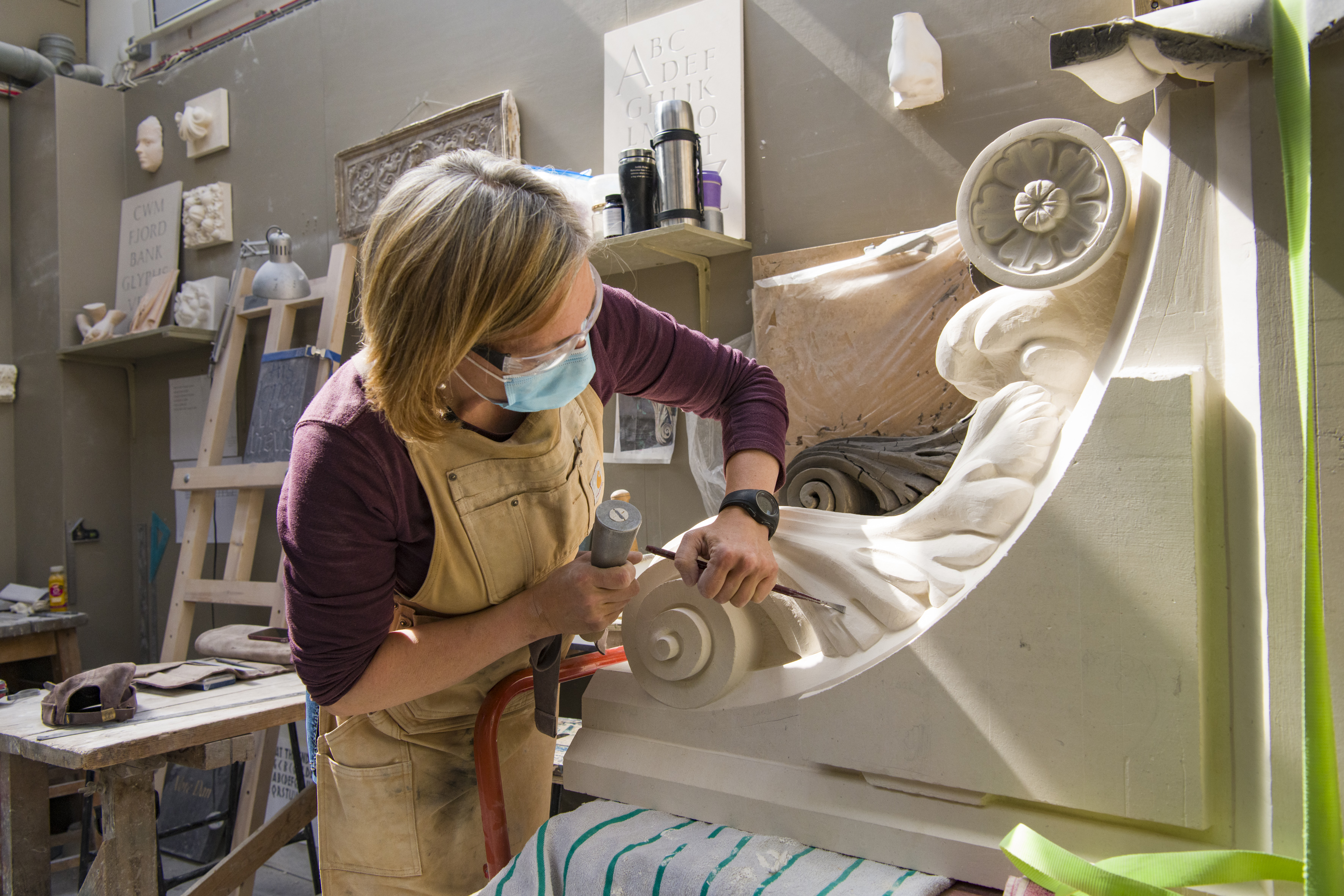
What is Historic Carving?
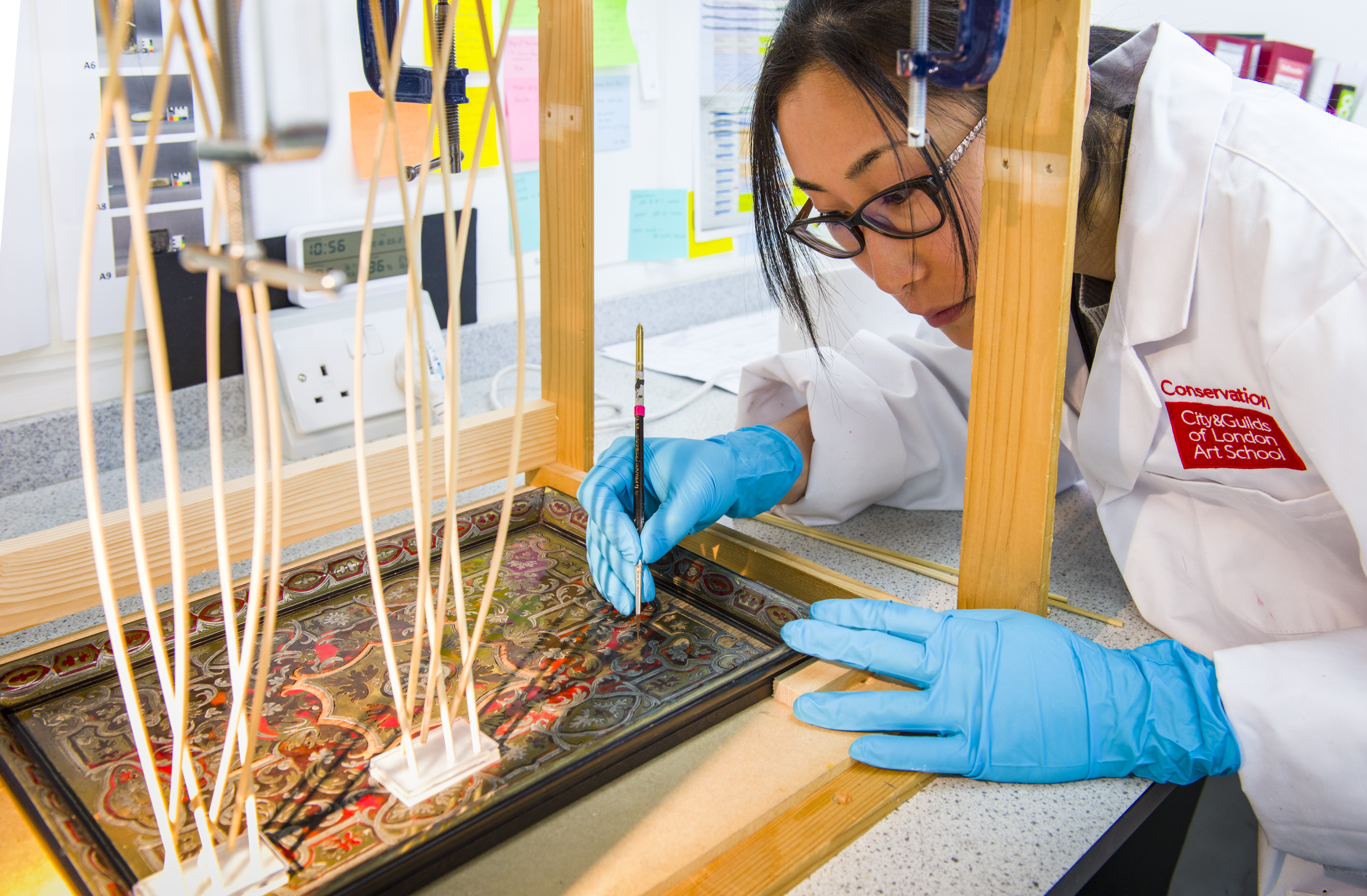
What is conservation?
How many other students are on the course?
Where is Kennington?
Who provides the best studios for Fine Art Degree?
Who provides the best studios for Fine Art MA?
What is contact time?
What does SSR mean?
How often can I see a tutor?
Where can I do work placements?
What industry links are there?
How can I build a network in the heritage industry?
How much practical time does art involve?
Where can I study art with real artists?
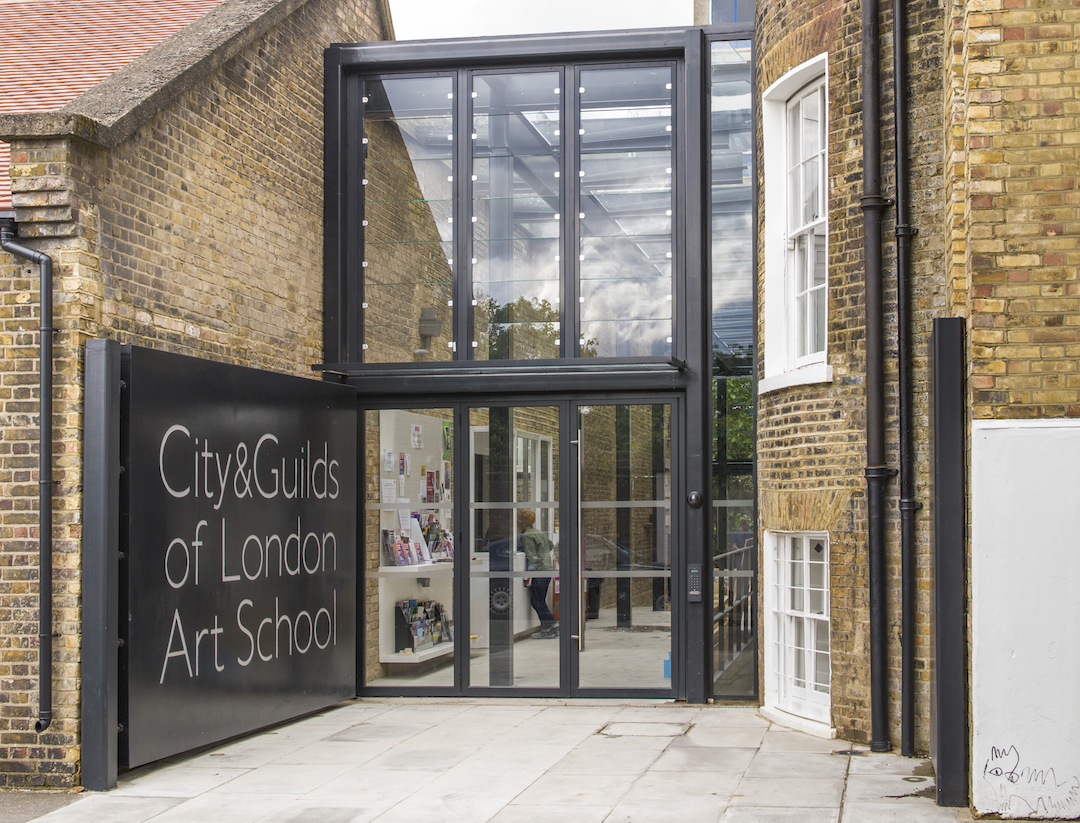
At City & Guilds of London Art School we educate contemporary artists, carvers, and conservators at BA (Hons) Degree, MA Postgraduate Degree and Foundation Diploma levels, and have been centrally located in Kennington, London since 1879.
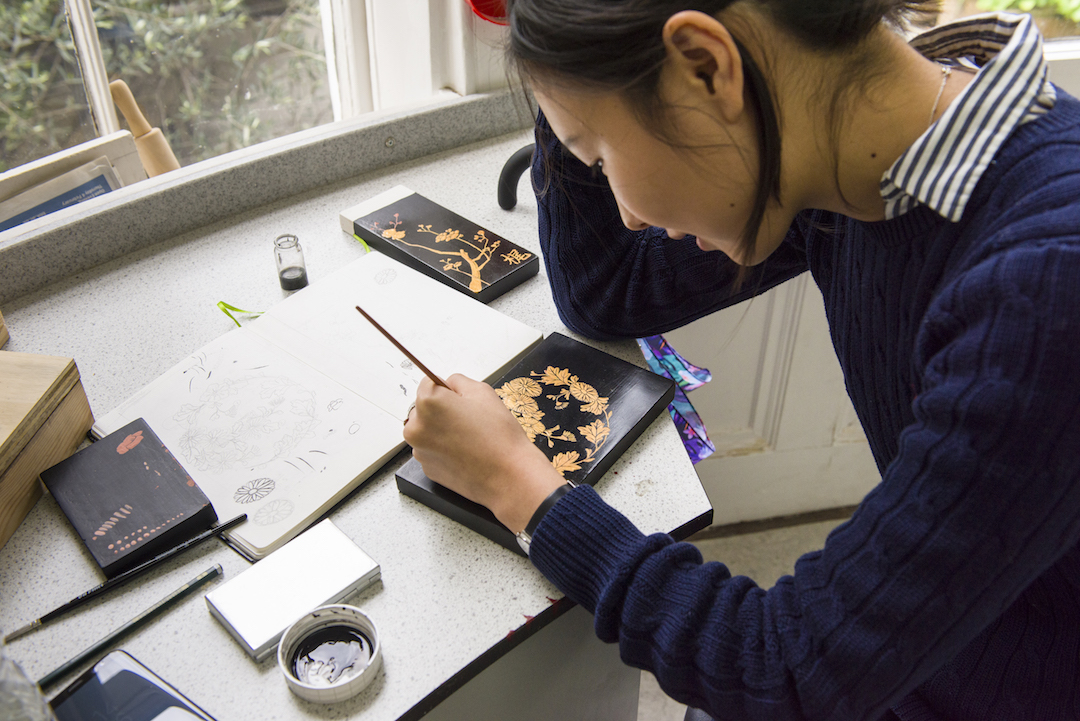
We are well respected for championing contemporary Fine Art, Architectural Stone Carving, Gilding and Wood Carving and the Conservation of cultural artefacts, as well as running an intensive Foundation course. in September 2020 we launched a new course in Book & Paper Conservation following the closure of the MA Conservation course at University of the Arts London.
The Art School is committed to providing high levels of contact teaching time with active professionals. We keep traditional skills alive while encouraging innovation and exploration. We offer an important, specialist alternative to other models of craft and art higher education in the UK.
Our courses have a proven track record and are highly respected. We offer graduate as well as postgraduate courses in contemporary Fine Art, Conservation of cultural objects or books & paper and Historic Carving (the UK’s only full-time study of carving available at this level). Our successful Foundation Diploma prepares students for further study in many different areas of art and design and the majority of our Foundation Diploma in Art and Design students go on to their first choice course after completing their studies with us.
Founded as a social enterprise, the City & Guilds of London Art School is proud of its heritage, high standards, expertise and student-centred approach. It remains small in scale because our experience has taught us the huge benefits of a supportive creative community.
Teaching
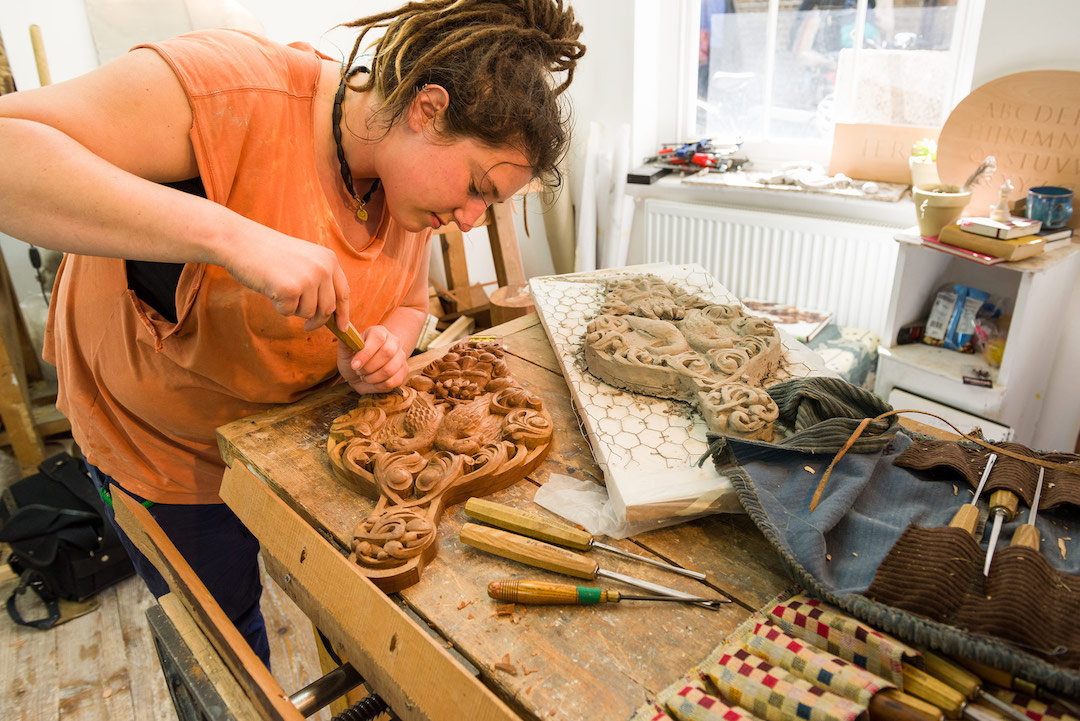
Our inspiring tutors, who are active practising professionals, present courses which are intensive, because ‘full time’ for us actually means 5 days a week, and our staff-to-student ratios are very generous. The specialist nature of our Art School means that we can focus on excellence and provide our subjects with the one-to-one attention they require.
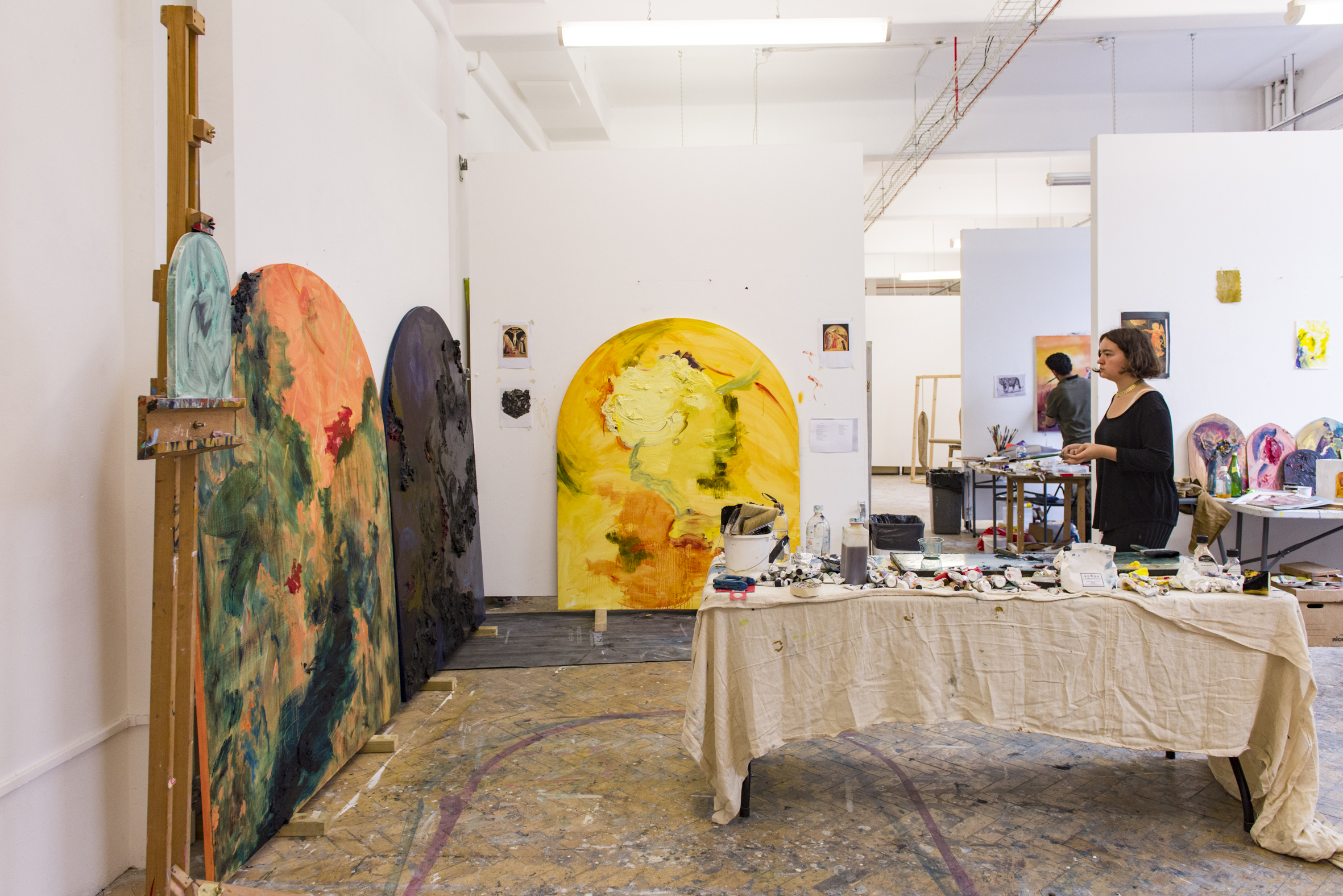
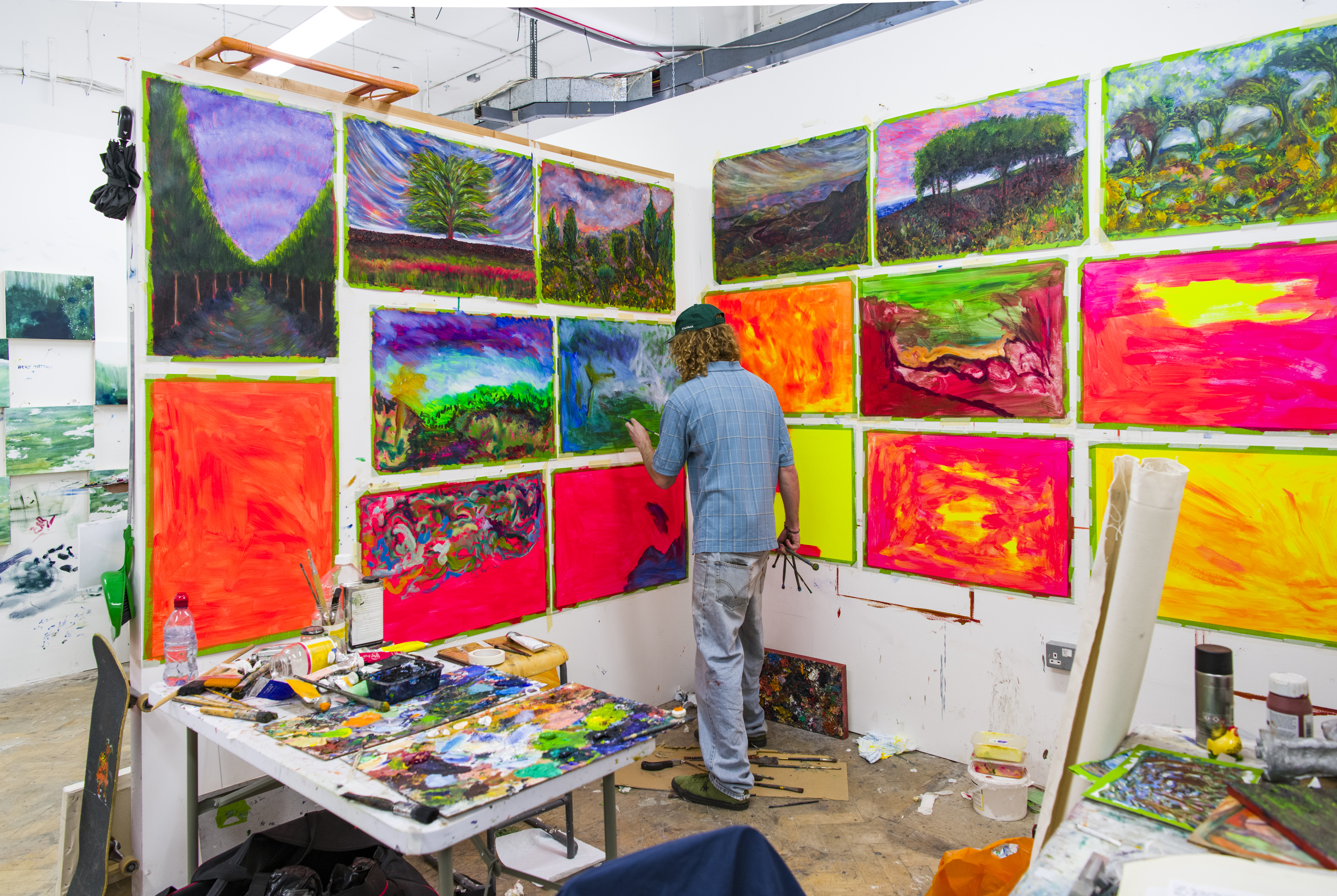
When visiting any of our studios, you will be struck by the atmosphere of curiosity, application and ambition. Our tutors relish their teaching – and our students thrive – because of the high level of engagement. Whether they are newly specialising, or developing their existing skills and knowledge, all students count and are encouraged to exceed their own expectations.
The City & Guilds of London Art School combines skills-based teaching with History of Ideas and contextual Art Histories programmes that employ London’s various museums and galleries as an important resource for regular targeted study trips. Our dedicated Drawing Studio highlights the fundamental part that drawing plays in all of our courses, while the beneficial cross-pollination of subjects helps students to grow a deeper understanding of their practice.
Facilities and location
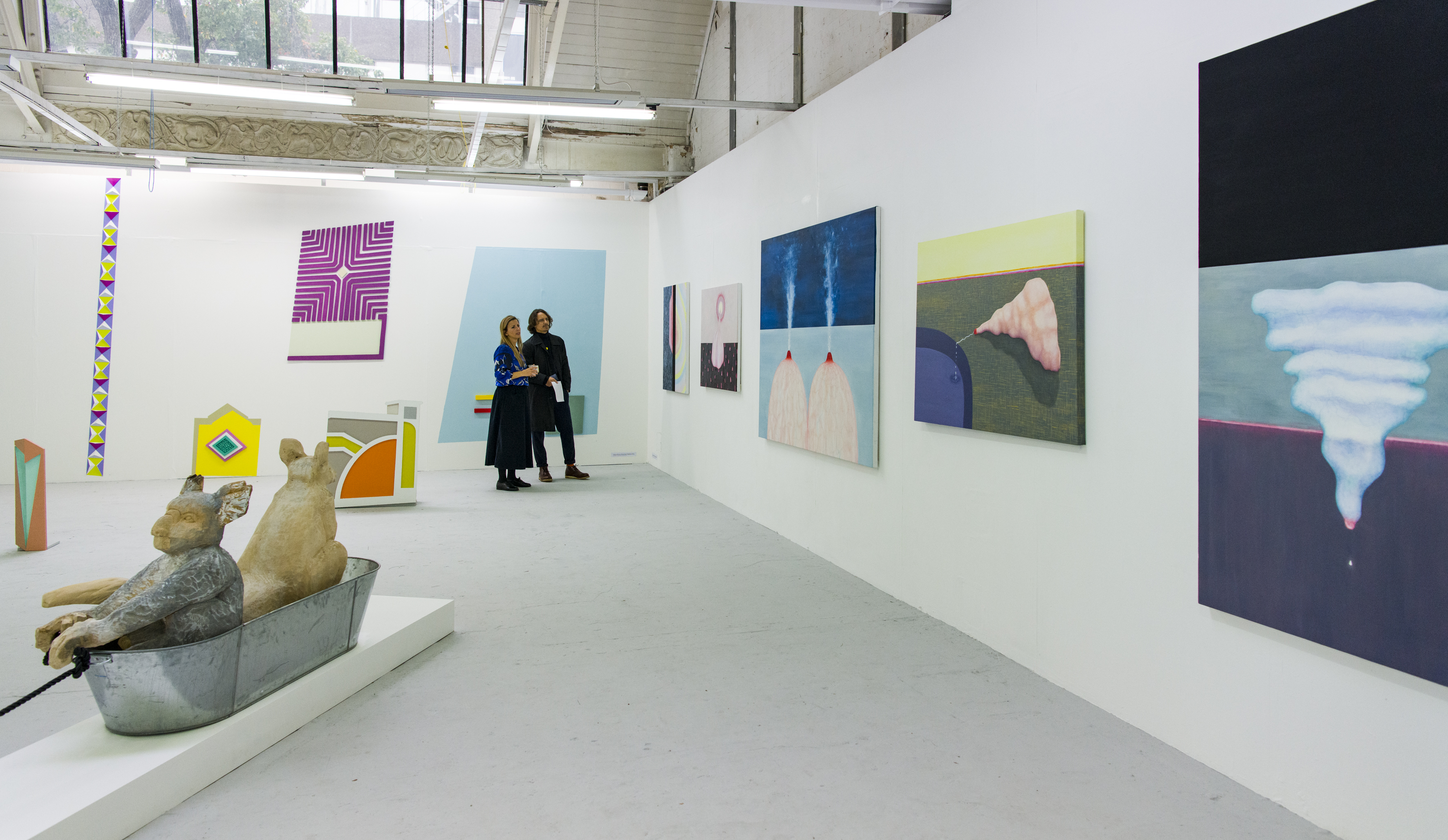
Centrally located in a Georgian terrace, 1930s warehouse space opposite Kennington Tube station and purpose built Victorian studios, we are fortunate to have London’s key galleries and museums within easy reach. The National Gallery is just a few stops away and the East End is a mere 20-minute Tube journey away. Our studios are as generous as our staffing: each student has access to his/her own workspace, as well as specialist technical facilities such as woodwork, etching, glass-working and bronze casting.
Community and support
The Art School and its students benefit from the philanthropy of a broad range of individuals and institutions in the form of bursaries, scholarships, work placements, funded projects and collaborations.
With a joined student community and staff of more than 320 people, we care about every individual’s progress. We also stay in active communication with our alumni, many of whom have moved directly into professional roles and are leaders in the worlds of art, craft and conservation.
Our Partners and collaborators
Due to our proven track record and the high standard of our students’ work we have an impressive network of partners, friends and supporters and we continue to work with: